Business
How the Sony PlayStation Platform Business Generates Billions in Revenue


The Sony PlayStation Platform Business is one of the most successful and influential business models in the global gaming industry. What began as a home video game console has evolved into a comprehensive digital ecosystem that combines gaming hardware, online services, subscription memberships, digital game distribution, cloud technologies, multimedia entertainment, and first-party game development. Today, PlayStation is more than a console—it is a platform that connects millions of players, developers, publishers, and content creators worldwide.
Sony’s long-term strategy centers on building a sustainable ecosystem where hardware sales encourage software purchases, digital content, subscription services, and recurring customer engagement. This integrated approach has allowed the PlayStation platform to remain highly competitive while adapting to changing consumer preferences and technological advancements. This guide explores how the Sony PlayStation Platform Business operates, its revenue model, major services, competitive advantages, challenges, and future opportunities within the rapidly evolving gaming market.
Understanding the Sony PlayStation Platform Business
The PlayStation platform business extends far beyond manufacturing gaming consoles. It encompasses an interconnected ecosystem that includes gaming devices, digital storefronts, online multiplayer infrastructure, subscription services, entertainment applications, developer partnerships, and exclusive game franchises.
By combining hardware, software, and online services into a unified platform, Sony creates long-term relationships with players while generating recurring revenue through multiple business channels.
Evolution of the PlayStation Platform
Since the launch of the original PlayStation, Sony has continuously expanded the platform with new console generations, improved graphics technology, online connectivity, digital marketplaces, and subscription offerings. Each generation has introduced innovations that enhanced gameplay while strengthening customer loyalty.
The platform has gradually shifted from a product-focused business toward a service-oriented ecosystem emphasizing continuous engagement rather than one-time hardware purchases.
Core Components of the PlayStation Ecosystem
The modern PlayStation ecosystem includes console hardware, digital game distribution, online multiplayer infrastructure, subscription memberships, cloud-based services, developer support, multimedia entertainment, and accessories. Together, these components create an integrated experience that encourages users to remain within the PlayStation environment for gaming, communication, and digital entertainment.
This ecosystem approach also provides developers with access to a large global audience while giving consumers convenient access to games, updates, downloadable content, and online communities.
Revenue Streams
The Sony PlayStation Platform Business generates revenue from multiple sources rather than relying solely on console sales. Hardware sales introduce new users to the ecosystem, while digital game purchases, downloadable content, subscription memberships, licensing fees, accessories, advertising opportunities, and third-party publishing agreements contribute recurring income.
Diversifying revenue across multiple channels reduces business risk while supporting continued investment in technology, game development, and online services.
Digital Distribution and Online Services
Digital distribution has become one of the platform’s most significant growth areas. Through the PlayStation Store, users can purchase games, downloadable content, add-ons, and entertainment products without visiting physical retailers. Digital delivery offers convenience for consumers while improving distribution efficiency for publishers.
Online services also enable multiplayer gaming, cloud saves, digital libraries, and regular software updates that enhance the overall customer experience.
Subscription-Based Business Model
Subscription services have become increasingly important within Sony’s gaming strategy. PlayStation Plus> provides online multiplayer access, monthly game libraries, exclusive discounts, and additional membership benefits. Subscription revenue creates predictable recurring income while encouraging long-term customer retention and platform engagement.
Recurring subscription models also allow Sony to invest more consistently in infrastructure, content partnerships, and platform improvements.
First-Party Game Development
Exclusive games remain one of PlayStation’s strongest competitive advantages. Sony invests heavily in first-party studios that create high-quality titles designed specifically for the PlayStation platform. These exclusives help differentiate PlayStation from competing gaming ecosystems and encourage consumers to purchase PlayStation hardware.
Strong first-party franchises also strengthen brand identity while generating additional revenue through digital sales, downloadable content, and merchandising opportunities.
Developer and Publisher Partnerships
Independent developers and major publishers play an essential role in expanding the PlayStation game library. Sony provides development tools, publishing support, digital distribution opportunities, and technical resources that enable creators to reach millions of players worldwide.
These partnerships ensure a diverse selection of games across genres while encouraging continued innovation throughout the gaming industry.
Cloud Gaming and Emerging Technologies
Cloud gaming, artificial intelligence, improved streaming technology, virtual reality, and enhanced social features continue shaping the future of the PlayStation platform. These innovations enable new gaming experiences while expanding accessibility across multiple devices and network environments.
As internet infrastructure improves globally, cloud technologies may become an increasingly significant component of Sony’s long-term platform strategy.
Challenges Facing the Platform
Despite its success, the Sony PlayStation Platform Business faces ongoing challenges including intense competition, rising game development costs, cybersecurity threats, changing consumer preferences, supply chain disruptions, and evolving digital distribution models.
Maintaining platform innovation while balancing hardware profitability, subscription growth, and developer support remains an important strategic objective.
Future Outlook
The future of the Sony PlayStation Platform Business will likely focus on expanding digital ecosystems, strengthening subscription services, supporting independent developers, integrating artificial intelligence, enhancing cloud gaming capabilities, and delivering immersive gaming experiences through advanced hardware and software technologies.
By continuing to combine technological innovation with high-quality exclusive content and strong community engagement, Sony is well positioned to remain one of the world’s leading gaming platform providers.
Conclusion
The Sony PlayStation Platform Business represents one of the most successful examples of a modern digital ecosystem. Rather than relying solely on console sales, Sony has built a comprehensive platform that combines hardware, software, subscriptions, online services, exclusive games, and developer partnerships into a sustainable long-term business model.
As the gaming industry continues evolving through cloud technology, digital distribution, subscription services, and immersive entertainment experiences, PlayStation’s integrated strategy positions it for continued growth. By investing in innovation, content creation, and customer engagement, Sony continues to shape the future of interactive entertainment while delivering value to players, developers, and business partners worldwide.
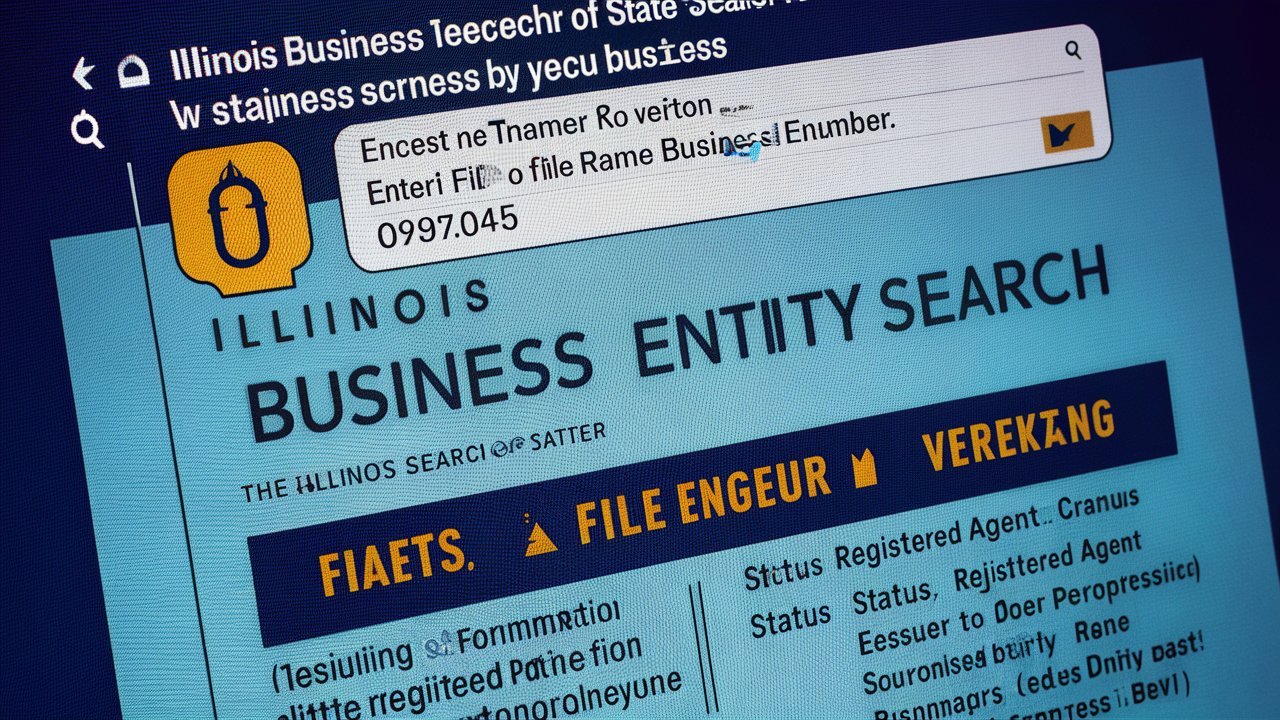
An Illinois Business Entity Search is an essential tool for entrepreneurs, investors, attorneys, financial institutions, and consumers who need reliable information about companies registered in the state of Illinois. Whether you are starting a new business, researching a potential business partner, verifying the legal status of an existing company, or checking whether a business name is available, the Illinois Business Entity Search provides access to valuable public records that support informed decision-making.
The business entity database maintained by the Illinois Secretary of State allows users to search for corporations, limited liability companies (LLCs), limited partnerships, and other registered entities. By understanding how this search system works and what information it provides, business owners and consumers can reduce risk, improve compliance, and make more confident business decisions. This comprehensive guide explains the purpose of the Illinois Business Entity Search, how to use it, what information is available, its benefits, best practices, and frequently asked questions.
What Is an Illinois Business Entity Search?
An Illinois Business Entity Search is an online public database that allows users to locate official information about businesses registered in Illinois. Users can search by business name, file number, or other identifying information to view records that include the company’s legal status, registration details, entity type, and filing history.
The search system promotes transparency and provides businesses, consumers, investors, and legal professionals with access to accurate public registration information.
Why the Illinois Business Entity Search Is Important
Business verification is an important step before entering contracts, making investments, extending credit, or registering a new business. Entrepreneurs commonly use the database to determine whether a proposed business name is already registered, helping avoid naming conflicts and registration delays.
Consumers also benefit by confirming that a company is officially registered before purchasing products or services, while lenders and investors can verify legal status during due diligence.
Who Uses the Illinois Business Entity Search?
The database serves a wide range of users, including entrepreneurs launching new companies, attorneys conducting legal research, accountants preparing financial documents, banks reviewing commercial loan applications, suppliers evaluating business partners, journalists researching organizations, and consumers verifying local businesses.
Because the records are publicly accessible, the database supports greater transparency and accountability throughout the business community.
Information Available Through the Search
Business entity records may include the legal business name, file number, entity type, registration status, formation date, jurisdiction, registered agent information (where publicly available), and filing history. Depending on the entity, additional details such as annual report filings and current standing may also be available.
Reviewing these records helps users confirm the identity and legal status of a business before entering commercial relationships.
How to Perform an Illinois Business Entity Search
Using the Illinois Business Entity Search begins by visiting the official search portal provided by the Illinois Secretary of State. Users can search by business name or file number and review a list of matching entities.
After selecting the appropriate record, examine details such as registration status, formation date, entity type, and filing history. If multiple businesses have similar names, compare additional identifying information to ensure the correct entity is selected.
Checking Business Name Availability
Choosing a unique business name is an important part of forming a new company. Entrepreneurs often perform an Illinois Business Entity Search to determine whether their preferred name is already registered by another organization.
Although a search helps identify potential conflicts, business owners should also review Illinois naming requirements and consider trademark searches before completing the registration process.
Understanding Business Status
Business entity records typically indicate whether an organization is active, dissolved, withdrawn, inactive, or subject to another legal status. Understanding these classifications helps businesses, consumers, and investors determine whether an organization is currently authorized to conduct business.
Checking business status before signing agreements or making financial commitments is an important part of responsible due diligence.
Benefits for Entrepreneurs
Entrepreneurs benefit from Illinois Business Entity Searches by reducing registration delays, avoiding duplicate business names, researching competitors, verifying suppliers, and confirming potential business partners. Access to reliable public records supports stronger planning while reducing legal and financial risks.
Regular business verification also helps organizations maintain compliance and improve confidence during commercial transactions.
Best Practices for Business Verification
Although the business entity database provides valuable information, comprehensive due diligence should also include reviewing professional licenses, regulatory registrations, business reputation, financial information where appropriate, customer reviews, and intellectual property records.
Combining multiple sources of information provides a more complete understanding of a company’s background and operational standing.
Future of Business Entity Searches
Government agencies continue improving digital business registration systems through enhanced search capabilities, faster record updates, improved online filing services, and expanded access to historical business records. These improvements increase transparency while making business verification more efficient for entrepreneurs and consumers alike.
As digital government services continue evolving, business entity searches will become even more accessible and user-friendly.
Conclusion
The Illinois Business Entity Search is an essential resource for entrepreneurs, investors, legal professionals, financial institutions, and consumers seeking reliable information about registered businesses. Whether checking business name availability, verifying legal status, conducting due diligence, or researching competitors, the database provides valuable public records that support informed business decisions.
Understanding how to use the Illinois Business Entity Search effectively helps reduce risk, strengthen compliance, and improve business planning. By combining official business records with broader research and verification practices, individuals and organizations can make more confident decisions while building stronger commercial relationships.
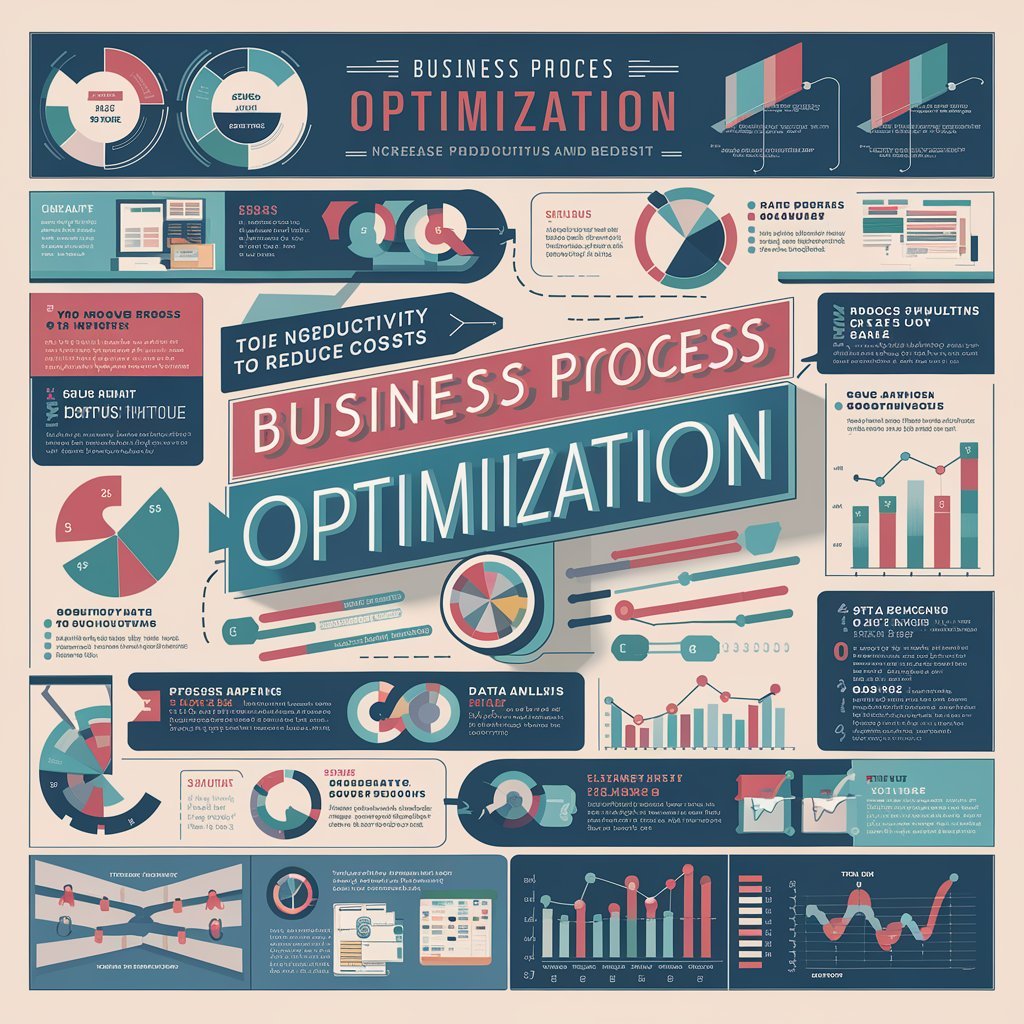
Business Process Optimization (BPO) is one of the most effective strategies organizations use to improve efficiency, reduce operational costs, increase productivity, and deliver better customer experiences. Every organization relies on processes to complete daily activities, from customer service and sales to manufacturing, finance, human resources, and supply chain management. When these processes become inefficient, businesses often experience delays, unnecessary expenses, inconsistent quality, and reduced profitability.
Business Process Optimization focuses on analyzing, redesigning, simplifying, and continuously improving workflows to eliminate waste and maximize value. Rather than simply working harder, organizations that embrace optimization work smarter by leveraging technology, automation, data analytics, and structured improvement methodologies. Whether you operate a startup, a small business, or a global enterprise, optimizing your business processes can create a significant competitive advantage. This comprehensive guide explains what Business Process Optimization is, why it matters, the techniques involved, implementation strategies, best practices, common challenges, emerging technologies, and future trends.
What Is Business Process Optimization?
Business Process Optimization is the systematic practice of evaluating existing business processes to identify inefficiencies, bottlenecks, unnecessary steps, delays, duplication of work, and resource waste. After identifying these issues, organizations redesign workflows to improve speed, accuracy, quality, customer satisfaction, and overall operational performance.
Optimization is not a one-time project. Instead, it represents a continuous commitment to improving the way work is performed. As customer expectations, technology, and market conditions evolve, businesses must regularly review and refine their processes to remain competitive.
Why Business Process Optimization Matters
Every organization depends on efficient operations to achieve sustainable growth. Inefficient processes consume valuable time, increase labor costs, create employee frustration, reduce productivity, and negatively affect customer satisfaction. Even small workflow improvements can generate significant financial savings over time.
Business Process Optimization helps organizations deliver products and services faster, improve quality, reduce errors, strengthen compliance, and create a more agile business environment capable of responding quickly to changing market conditions.
Key Objectives of Business Process Optimization
The primary objective of Business Process Optimization is to improve operational performance while maintaining or increasing quality. Organizations aim to eliminate redundant tasks, streamline communication, automate repetitive work, improve collaboration, reduce costs, accelerate decision-making, and enhance customer experiences.
Successful optimization also increases employee satisfaction by removing unnecessary administrative work and allowing staff to focus on higher-value activities that contribute directly to business success.
Core Components of Business Process Optimization
Effective optimization begins with understanding how work currently flows through an organization. Process mapping documents each step, identifies participants, highlights dependencies, and reveals inefficiencies. Once the current state is understood, organizations analyze performance metrics, customer feedback, operational data, and employee insights to identify opportunities for improvement.
The redesigned process is then tested, implemented, measured, and continuously monitored to ensure long-term success.
Benefits of Business Process Optimization
Organizations that invest in Business Process Optimization often experience substantial improvements across multiple areas. Operational costs decrease as redundant activities are eliminated and resources are allocated more efficiently. Productivity increases because employees spend less time performing repetitive tasks and more time focusing on strategic work.
Customer satisfaction improves through faster response times, consistent service quality, and fewer errors. Enhanced compliance reduces legal and regulatory risks, while improved visibility into business operations supports more informed decision-making.
Business Process Optimization Methodologies
Several proven methodologies support Business Process Optimization initiatives. Lean Management focuses on eliminating waste while maximizing customer value. Six Sigma emphasizes reducing process variation and improving quality through data-driven analysis. Total Quality Management encourages organization-wide commitment to continuous improvement, while Agile methodologies promote flexibility, rapid adaptation, and iterative enhancements.
Organizations often combine these approaches based on their industry, business model, and operational objectives.
The Role of Technology
Technology has become a major driver of Business Process Optimization. Modern organizations increasingly rely on workflow management platforms, robotic process automation (RPA), artificial intelligence (AI), machine learning, cloud computing, and business intelligence tools to streamline operations.
Automation reduces manual effort, minimizes human error, accelerates routine tasks, and provides employees with more time to focus on innovation, customer relationships, and strategic initiatives.
Process Mapping and Workflow Analysis
Process mapping provides a visual representation of how work moves through an organization. By documenting every activity, decision point, approval stage, and stakeholder responsibility, businesses gain a clear understanding of process performance.
Workflow analysis identifies delays, duplicated work, communication gaps, unnecessary approvals, and resource constraints. These insights allow organizations to redesign processes that are faster, simpler, and more efficient.
Steps to Implement Business Process Optimization
Successful implementation begins with identifying processes that have the greatest impact on business performance. Organizations gather performance data, interview stakeholders, document existing workflows, analyze bottlenecks, and establish measurable improvement goals.
After designing optimized workflows, businesses test changes through pilot programs before full implementation. Continuous monitoring, employee training, performance measurement, and regular reviews ensure that improvements remain effective over time.
Common Challenges
Although Business Process Optimization offers significant benefits, organizations often encounter challenges during implementation. Employee resistance to change, limited executive support, inadequate data, poor communication, outdated technology, and unclear objectives can delay progress.
Overcoming these obstacles requires strong leadership, transparent communication, employee involvement, realistic planning, and ongoing performance evaluation.
Best Practices for Success
Organizations achieve the best results when optimization initiatives align with strategic business goals. Successful programs involve cross-functional collaboration, measurable performance indicators, customer-focused decision-making, continuous employee training, and regular process reviews.
Leaders should encourage a culture of continuous improvement where employees actively identify opportunities for greater efficiency and innovation.
Future Trends in Business Process Optimization
The future of Business Process Optimization will be increasingly influenced by artificial intelligence, predictive analytics, intelligent automation, digital twins, process mining, cloud-based collaboration, and real-time performance monitoring. Organizations will use advanced technologies to anticipate operational issues before they occur, automatically recommend workflow improvements, and make data-driven decisions with greater speed and accuracy.
As businesses continue their digital transformation journeys, optimization will become even more critical for maintaining competitiveness in rapidly evolving markets.
Conclusion
Business Process Optimization is far more than an operational improvement initiative—it is a strategic approach that enables organizations to become more efficient, productive, customer-focused, and resilient. By carefully analyzing workflows, eliminating inefficiencies, embracing automation, and fostering a culture of continuous improvement, businesses can significantly reduce costs while improving service quality and employee satisfaction.
Whether you manage a small startup or a global enterprise, investing in Business Process Optimization creates long-term value by strengthening operational excellence, supporting innovation, and enhancing organizational agility. In today’s competitive business landscape, companies that continuously optimize their processes are better positioned to achieve sustainable growth, adapt to market changes, and deliver exceptional value to customers.


 Tech2 months ago
Kompama: The Complete Guide to Its Meaning, Origins, Uses, Benefits, and Digital Potential
- Business2 months ago
Business Process Optimization Explained: Increase Productivity and Reduce Costs
- Sports2 months ago
İlkay Gündoğan Career: Clubs, Records, Awards, and Playing Style Explained
- Blog3 months ago
FlixHQ: Complete Guide to the Popular Streaming Platform
- Business2 months ago
How to Use Illinois Business Entity Search to Verify a Business
- Blog2 months ago
Portar Leisa: Complete Guide, Meaning, Possible Origins, Uses, and Everything You Should Know
- Entertainment3 months ago
YTMP3 Guide: Understanding YouTube-to-MP3 Conversion Tools
- Lifestyle3 months ago
How to Wash a Wool Sweater: The Complete Guide to Cleaning and Caring for Wool