Entertainment
YTMP3 Guide: Understanding YouTube-to-MP3 Conversion Tools

YTMP3 is a name commonly associated with online tools that convert publicly accessible online videos into downloadable audio files. These browser-based services are popular because they generally require no software installation and offer a straightforward interface where users paste a video link and choose an output format. Many such services also support video downloads in addition to audio conversion.
Although these tools are widely discussed online, it is important to understand that their use is subject to copyright law and the terms of service of the platforms hosting the original content. Whether converting audio for personal projects, downloading content you created yourself, or working with media released under open licenses, users should ensure they have the necessary rights or permission before downloading or converting any material.
What Is YTMP3?
YTMP3 generally refers to an online video-to-audio conversion service. Depending on the website using the name, users are typically able to paste a supported video URL, choose an output format such as MP3, and receive a converted audio file after processing. Many services advertise browser-based operation, cloud processing, and support for both desktop and mobile devices.
How These Services Work
Most browser-based audio conversion platforms follow a similar workflow. The service processes a video link supplied by the user, extracts the audio track, converts it into the selected format, and then provides a downloadable file. Exact capabilities vary between providers, including supported formats, file quality, and processing speed.
Important Copyright Considerations
One of the most important aspects of using any online media conversion service is respecting intellectual property rights. Copyright laws protect many videos, songs, podcasts, lectures, and other creative works. In addition, video platforms may have terms of service governing downloads and offline access.
Before downloading or converting content, users should ensure they have permission from the copyright holder or that the material is their own work, in the public domain, or available under a license that permits downloading and reuse. Some YTMP3 services themselves remind users to comply with applicable copyright laws and platform terms.
Privacy and Security Tips
As with any online tool, users should be cautious about privacy and security. Some websites may request unnecessary permissions, display misleading advertisements, or imitate well-known brands. It is good practice to use reputable websites, keep browsers updated, avoid suspicious downloads, and carefully review privacy policies before sharing information online.
Legitimate Ways to Save Audio
Many creators and platforms offer lawful ways to enjoy audio offline. Music streaming services provide licensed offline listening for subscribers, podcast apps allow episode downloads, and creators may offer direct downloads of their own content. Educational institutions and organizations also frequently publish materials under licenses that permit downloading for personal use.
Using official download features or content released under appropriate licenses helps support creators while ensuring compliance with copyright requirements.
Benefits of Responsible Digital Media Use
Respecting copyright and using legitimate sources benefits both audiences and creators. It encourages continued production of music, educational resources, documentaries, podcasts, and other creative works while reducing security risks associated with untrusted websites. Responsible digital practices also help users avoid legal issues and enjoy higher-quality content through authorized services.
Conclusion
YTMP3 has become a widely recognized name associated with browser-based audio conversion tools. While these services can be convenient, users should always consider copyright law, platform terms of service, and online safety before downloading or converting any content. Choosing authorized sources, using official offline features, and respecting creators’ rights contribute to a healthier digital ecosystem for everyone.
Understanding how these tools work—and their legal and ethical considerations—helps users make informed decisions while protecting both their own security and the interests of content creators.
Frequently Asked Questions (FAQ)
1. What is YTMP3?
YTMP3 is a name commonly used for online services that convert video content into audio files. Features vary depending on the specific website.
2. Is YTMP3 free?
Many websites using the YTMP3 name advertise free browser-based conversion services, although offerings differ by provider.
3. Is it legal to use YTMP3?
Legality depends on the content being converted, applicable copyright law, and the terms of service of the source platform. Users should only download content they have the right or permission to use.
4. Is YTMP3 safe?
Safety varies by website. Users should exercise caution, use trusted sources, and avoid suspicious advertisements or downloads.
5. Can I convert my own videos?
Yes. If you own the content or have permission from the copyright holder, converting your own material is generally appropriate.
6. Why should I respect copyright when downloading media?
Copyright helps protect creators and ensures they receive recognition and compensation for their work.
7. Are there legal alternatives for offline listening?
Yes. Many music streaming services, podcast platforms, and creator websites offer authorized offline listening or downloadable content.
8. What should I look for in an online conversion service?
Consider factors such as privacy policies, HTTPS security, transparency, and whether the service reminds users to comply with copyright and applicable laws.

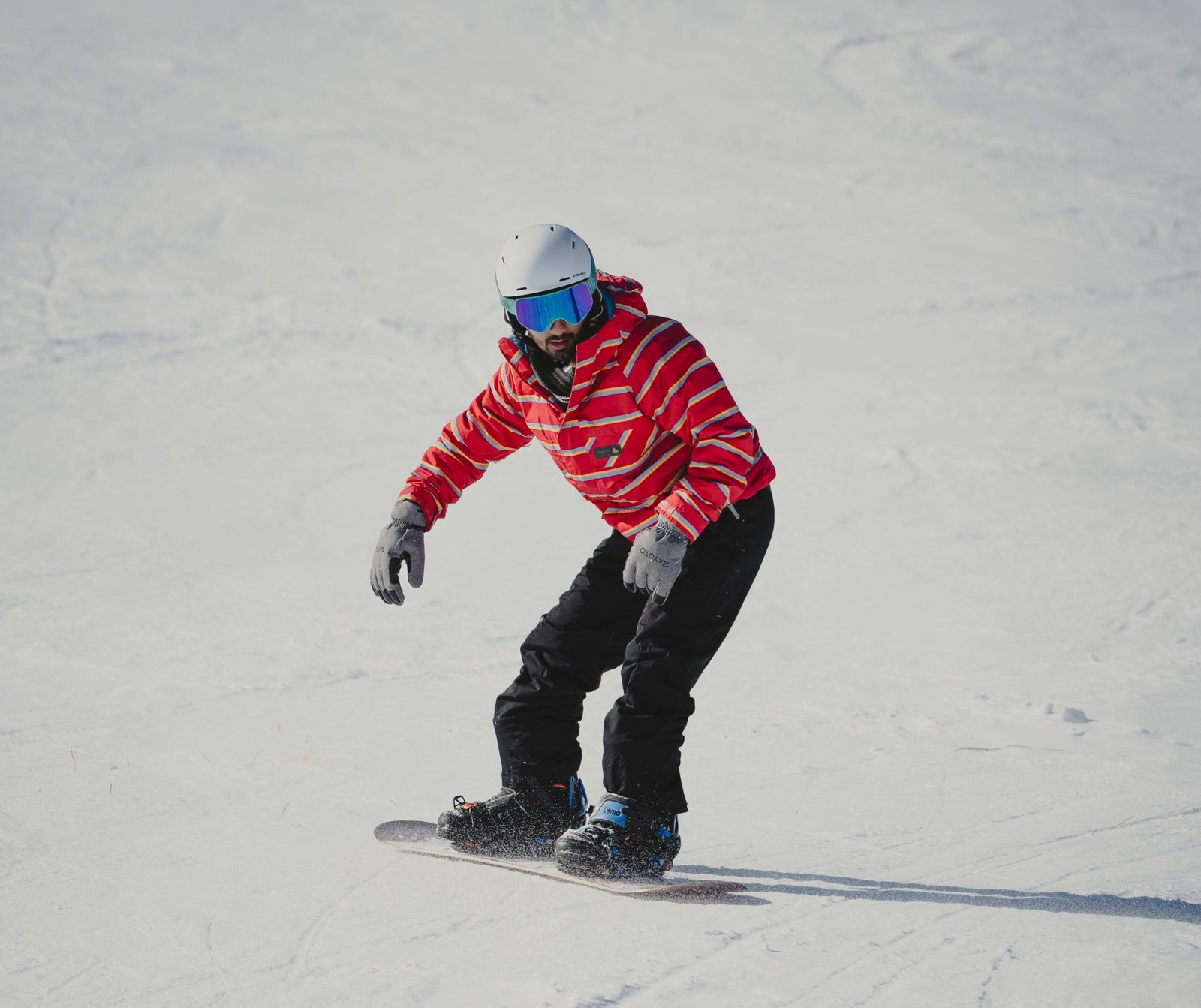
Learning how to snowboard can be an exciting experience, especially if you enjoy winter sports, mountain adventures, and outdoor activities. Although snowboarding may look difficult when you first watch experienced riders, beginners can learn the basic skills with proper instruction, suitable equipment, and regular practice.
The key to becoming a confident snowboarder is understanding the fundamentals before attempting advanced movements. You need to learn how to balance on the board, control your speed, turn smoothly, and stop safely. This guide explains everything beginners need to know to start snowboarding with confidence.
1. Understand the Basic Snowboarding Equipment
Before learning how to snowboard, you need the right equipment. A snowboard consists of a board, bindings, and boots that work together to help you maintain balance and control your movements. Beginners should consider renting equipment from a reputable ski resort or rental shop instead of purchasing expensive gear immediately.
Here are the essential items you need for your first snowboarding experience:
Snowboard: Choose a beginner-friendly board with a softer flex that is easier to control.
Snowboard Boots: Wear comfortable boots that fit securely without causing pain.
Bindings: These connect your boots to the snowboard and keep your feet in position.
Helmet: A properly fitted helmet helps protect your head during falls.
Snowboard Jacket and Pants: Waterproof clothing keeps your body warm and dry.
Goggles: Protect your eyes from snow, wind, and bright sunlight.
Gloves: Waterproof gloves keep your hands warm and comfortable.
Wrist Guards: These can provide additional protection while learning.
Choosing suitable equipment makes your first experience more comfortable and helps you focus on developing essential snowboarding skills.
2. Learn Your Snowboarding Stance and Balance
One of the most important steps in learning how to snowboard for beginners is finding your natural riding stance. Unlike skiing, where both feet generally point forward, snowboarding requires you to stand sideways on the board. Your front foot leads the direction while your back foot helps control movement.
There are two common snowboarding stances: regular and goofy. Regular means your left foot stays in front, while goofy means your right foot stays in front. Neither stance is better than the other, so choose the position that feels most natural and comfortable.
Once your feet are secured in the bindings, practise maintaining a balanced position. Keep your knees slightly bent, your back relaxed, and your weight centred over the snowboard. Look ahead rather than constantly looking down at your feet because this helps you maintain better balance and direction.
3. Start Practising on Flat Ground
Before moving onto a snowy slope, spend some time becoming familiar with your snowboard on flat ground. Learn how to attach your front foot, move around with one foot secured, and maintain control while pushing yourself forward. This basic movement is commonly called skating.
Start by placing your front foot inside the binding while keeping your back foot free. Use your back foot to push against the snow, similar to riding a skateboard, and keep it close to the board when gliding. Practise moving short distances until you feel comfortable controlling your equipment.
You should also practise getting up after sitting or falling down. Beginners often find this challenging because both feet are attached to one board. Learning how to stand up safely will make your first snowboarding session easier and reduce unnecessary frustration.
4. Learn How to Slide, Control Speed, and Stop
Once you feel comfortable with your stance, the next step is learning how to slide and control your speed. Snowboards have two important edges: the heel edge and the toe edge. Understanding how these edges work is essential because they help you slow down, change direction, and stop.
Begin with heel-side slipping on a gentle beginner slope under an instructor’s supervision. Keep your board across the slope, bend your knees, and apply controlled pressure through your heels. This allows the board to slide sideways instead of travelling straight downhill.
After developing confidence with your heel edge, practise toe-side control. You will need to shift your balance towards your toes while maintaining a stable body position. Learning both edges gives you more control and prepares you for your first turns.
Important beginner tip: Never start on a steep slope just because you want to learn quickly. A wide, gentle beginner area provides a much better environment for practising basic movements and stopping techniques.
5. Learn How to Turn on a Snowboard
Turning is one of the most exciting milestones when learning how to snowboard. Once you can maintain balance, slide on both edges, and control your speed, you can begin practising basic turns. These movements allow you to travel across the slope instead of moving continuously in one direction.
Start with simple J-turns under professional guidance. Begin with your snowboard pointing gently downhill, then gradually apply pressure to one edge to guide the board across the slope. Your head and eyes should look towards the direction you want to travel.
After becoming comfortable with individual turns, practise connecting them into smooth movements. A beginner’s turn sequence gradually changes from heel edge to toe edge and back again, creating an S-shaped path down the mountain. Avoid making sudden movements or leaning too far backwards because these habits can make controlling the snowboard more difficult.
6. Follow Important Snowboarding Safety Rules
Safety should always be a priority when learning a new winter sport. Even if you understand the basic techniques, snowboarding involves speed, changing snow conditions, other riders, and unexpected obstacles. Following appropriate safety practices can reduce unnecessary risks and help you enjoy your experience.
Keep these important safety rules in mind:
Wear a helmet: Always use a properly fitted snow sports helmet.
Take beginner lessons: A qualified instructor can teach correct techniques and identify mistakes.
Choose suitable slopes: Practise on designated beginner terrain.
Respect other snowboarders: Maintain enough space and avoid unpredictable movements.
Check weather conditions: Poor visibility, strong winds, and icy surfaces can make riding more difficult.
Stay hydrated: Drink water regularly, even in cold weather.
Take regular breaks: Stop when you feel tired because exhaustion can affect balance and concentration.
Learn how to fall: Avoid instinctively stretching your hands backwards to break a fall; learn safer falling techniques from your instructor.
You should also follow the mountain’s posted signs, marked routes, and resort safety instructions. Never assume that a slope is suitable for your ability level simply because other snowboarders are using it.
7. Common Snowboarding Mistakes Beginners Should Avoid
Many beginners struggle because they try to learn everything too quickly. Snowboarding requires patience, coordination, and regular practice, so making mistakes during your first few sessions is completely normal. Understanding common mistakes can help you improve faster and develop better riding habits.
Here are some mistakes worth avoiding:
Leaning too far backwards: This can make controlling your snowboard more difficult.
Keeping your knees straight: Stiff legs reduce flexibility and make balancing harder.
Looking at your feet: Always look towards the direction you want to ride.
Trying steep slopes too early: Build confidence on easy terrain before progressing.
Ignoring equipment fit: Loose boots and incorrectly adjusted bindings can affect control.
Skipping lessons: Professional guidance can help you avoid developing incorrect techniques.
Practising when exhausted: Tiredness can affect your reactions and increase the risk of falling.
Remember that progress looks different for everyone. Some beginners learn basic turns quickly, while others need several sessions to feel comfortable. Focus on improving one skill at a time instead of comparing yourself with experienced snowboarders.
Frequently Asked Questions About How to Snowboard
1. Is snowboarding difficult for beginners?
Snowboarding can be challenging during the first few sessions because you need to develop balance, coordination, and edge control. However, with proper lessons and regular practice, most beginners can gradually learn basic movements and turns.
2. How long does it take to learn how to snowboard?
Learning times vary depending on your fitness, previous experience, instruction, and practice schedule. Some beginners become comfortable with basic movements after a few lessons, while developing consistent turns and better speed control takes longer.
3. What equipment do I need for snowboarding?
You need a snowboard, bindings, snowboard boots, a helmet, goggles, waterproof clothing, and gloves. Beginners can rent most of their equipment from a ski resort or professional rental shop.
4. Can I learn snowboarding without taking lessons?
You can practise some basic movements independently, but professional lessons are strongly recommended. An instructor can teach correct techniques, explain mountain safety, and help you avoid common beginner mistakes.
5. Is snowboarding safer than skiing?
Neither sport is completely risk-free. Both involve potential injuries, and the types of injuries can differ. Wearing appropriate protective equipment, learning proper techniques, and following mountain safety rules are important for both activities.
6. What is the best age to start snowboarding?
There is no single perfect age to learn snowboarding. Children, teenagers, and adults can all start learning, provided they have suitable equipment, appropriate instruction, and a safe learning environment.
7. What is the difference between regular and goofy snowboarding?
Regular riders place their left foot towards the front of the snowboard, while goofy riders place their right foot forward. Both positions are normal, and your instructor can help you identify the most comfortable stance.
Conclusion
Learning how to snowboard is an exciting journey that combines physical activity, balance, coordination, and outdoor adventure. Although the first few sessions may involve falling and struggling with basic movements, the right equipment, professional instruction, and consistent practice can make the learning process much easier.
Start by understanding your stance, practising on flat ground, learning heel-side and toe-side control, and developing basic turning techniques. Always choose beginner-friendly slopes and follow appropriate safety guidelines.
Most importantly, be patient with yourself and enjoy every stage of learning. With determination and regular practice, you can gradually develop the skills needed to become a more confident snowboarder and enjoy the mountains safely.


 Tech4 months ago
Kompama: The Complete Guide to Its Meaning, Origins, Uses, Benefits, and Digital Potential
- Business4 months ago
Business Process Optimization Explained: Increase Productivity and Reduce Costs
- Blog4 months ago
FlixHQ: Complete Guide to the Popular Streaming Platform
- Sports4 months ago
İlkay Gündoğan Career: Clubs, Records, Awards, and Playing Style Explained
- Blog4 months ago
Portar Leisa: Complete Guide, Meaning, Possible Origins, Uses, and Everything You Should Know
- Business4 months ago
How to Use Illinois Business Entity Search to Verify a Business
- Lifestyle4 months ago
How to Wash a Wool Sweater: The Complete Guide to Cleaning and Caring for Wool
- Business4 months ago
How the Sony PlayStation Platform Business Generates Billions in Revenue