Blog
Urban Jürgensen: The Complete Guide to Its History, Watches, Craftsmanship, and Legacy


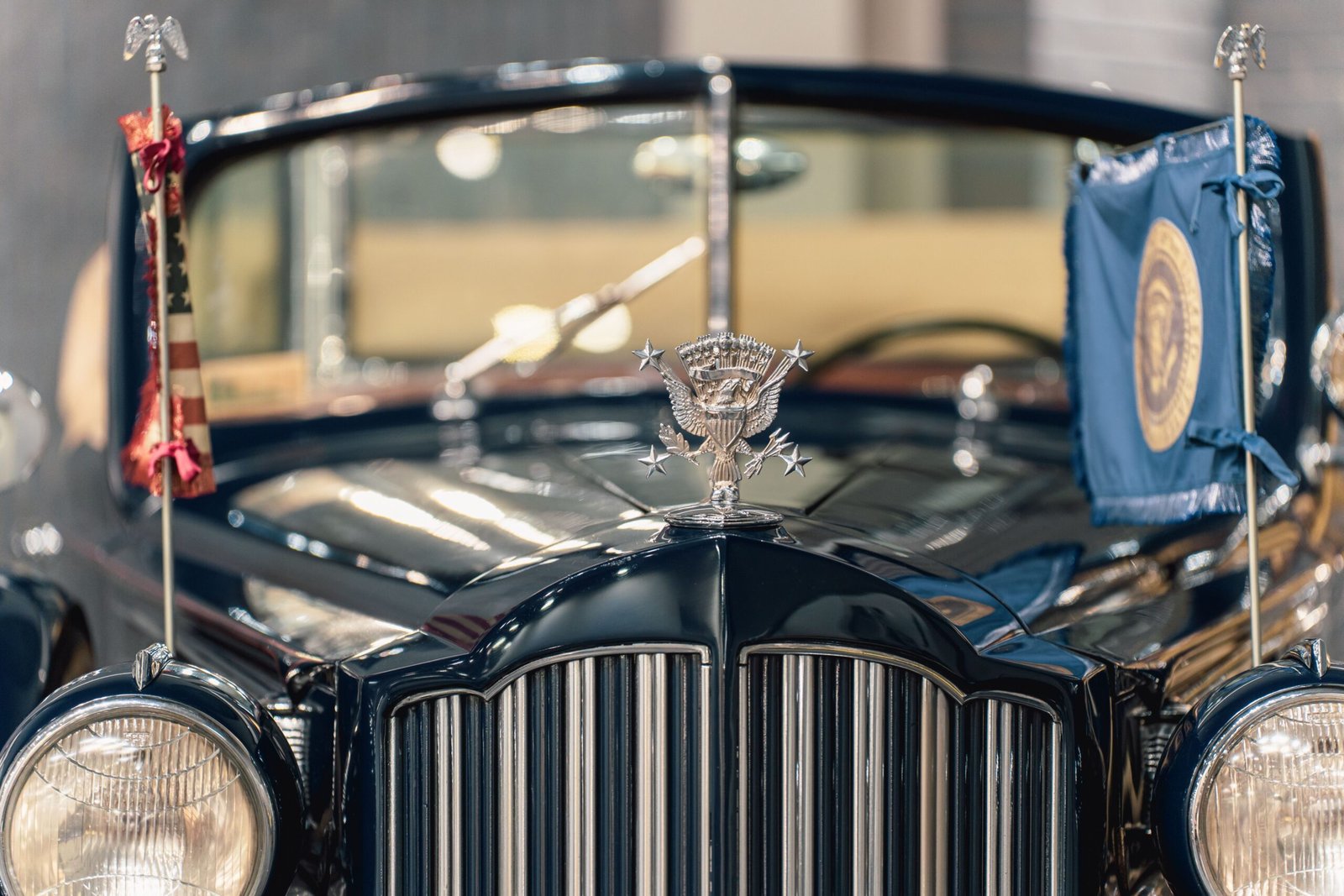
The Melania Trump inauguration car ride became a subject of public interest because it occurred during one of the most closely watched moments of the 2025 presidential transition. On January 20, 2025, Donald Trump returned to the presidency for his second nonconsecutive term, and Melania Trump once again became first lady of the United States. Before the swearing-in ceremony at the U.S. Capitol, the incoming first family participated in a series of traditional inaugural events, including a meeting at the White House with outgoing President Joe Biden and First Lady Jill Biden. The journey from the White House toward the Capitol was part of a carefully coordinated presidential motorcade, with security, protocol and timing all playing important roles. Contemporary pool reports confirm that the Bidens and Trumps left the White House together for the Capitol, while Melania Trump was listed among those traveling in the motorcade.
Interest in the Melania Trump inauguration car ride increased further because of later reporting about the interaction between Melania Trump and Jill Biden. While many people initially focused on photographs of the two women together during the inauguration transition, Jill Biden later provided additional details in her memoir about the journey. According to reporting on the memoir, the conversation between the two first ladies was restrained, with weather and other relatively ordinary subjects dominating the discussion. It is important, however, to distinguish this account from the separate limousine ride involving Donald Trump and Joe Biden, which also attracted considerable attention. The two rides are sometimes blended together in online discussions even though they involved different passengers and circumstances.
What Happened During the Melania Trump Inauguration Car Ride?
The Melania Trump inauguration car ride took place against the highly formal background of Inauguration Day. After the Trumps arrived at the White House, the outgoing and incoming presidential families participated in the customary transition activities before heading toward the Capitol. The motorcade departed the White House shortly before 10:40 a.m., according to the presidential pool reports, and reached the Capitol at approximately 10:47 a.m. The trip itself was relatively short, but its importance was much greater than its distance because it represented the physical transition from one administration to another. The motorcade proceeded along Pennsylvania Avenue under heavy security, with members of the public gathered behind barricades to watch the historic procession.
For Melania Trump, the journey marked the beginning of her return to the role of first lady after having previously served from 2017 to 2021. Her presence alongside the incoming administration gave the motorcade additional symbolic significance. Although the public naturally focused on the vehicles, photographs and personalities involved, presidential motorcades are highly structured operations rather than ordinary car journeys. Routes, security positions, timing, communications and vehicle assignments are coordinated in advance, and the public generally sees only a small portion of the planning behind the event. This helps explain why a seemingly brief Melania Trump inauguration car ride attracted so much attention.
Melania Trump and Jill Biden: The Conversation That Drew Attention
One of the most discussed aspects of the Melania Trump and Jill Biden inauguration car ride emerged not from live television coverage but from Jill Biden’s later account of the day. In her memoir, Biden described the journey as uncomfortable and said that Melania generally kept the conversation on relatively safe subjects, particularly the weather. Reports about the memoir say that Biden also attempted to make conversation and that Melania briefly discussed her son Barron before returning the conversation toward less personal topics. The account has subsequently generated substantial interest because it offers a rare description of what happened inside a private presidential vehicle during an otherwise highly public day.
It is worth approaching such recollections carefully. A private conversation between two public figures can be remembered differently by the participants, and a memoir represents one person’s perspective rather than an objective recording of every exchange. Nevertheless, Jill Biden’s account provides additional context for understanding why the Melania Trump inauguration car ride became a recurring topic after the inauguration itself. Rather than being remembered simply as transportation from one building to another, the journey came to represent the complicated interpersonal side of a presidential transition, particularly when two families with very different political histories were participating in the same ceremonial process.
The White House-to-Capitol Journey
The White House to Capitol journey on January 20, 2025, was part of a longstanding inauguration tradition. Before the swearing-in ceremony, the outgoing and incoming presidents traditionally meet at the White House before traveling together to the Capitol. This practice visually communicates the peaceful transfer of presidential authority, even when the individuals involved have substantial political disagreements. On January 20, 2025, the presidential motorcade carried the participants toward the Capitol, where Donald Trump would take the oath of office. The presidential pool reported that the motorcade arrived at approximately 10:47 a.m. after leaving the White House at about 10:39 a.m.
The symbolism of the route was particularly significant in 2025 because Trump’s second inauguration represented an unusual return to the presidency after a four-year absence. The event also differed from many previous inaugurations because extremely cold weather forced the main ceremony indoors. Instead of taking place on the Capitol’s exterior west front as originally anticipated, the swearing-in ceremony was held inside the Capitol Rotunda. The change created a more intimate setting and altered several of the traditional outdoor elements associated with Inauguration Day.
The Inauguration Motorcade and Presidential Security
The inauguration motorcade is one of the most visible demonstrations of presidential security. Vehicles traveling with the president and other senior officials are supported by extensive security personnel and logistical planning. While spectators may see only a line of dark vehicles moving through Washington, the operation involves advance teams, traffic management, protective personnel and carefully controlled routes. For a first lady such as Melania Trump, traveling in this environment is a normal part of participating in major presidential events.
The presidential limousine is also frequently associated with these journeys, although it is important not to assume that every member of an inaugural motorcade travels in the same vehicle. Reports from the 2025 inauguration specifically identified Donald Trump and Joe Biden as sharing a limousine during their journey to the Capitol, while Melania Trump and Jill Biden traveled separately. This distinction is important because internet searches for Melania Trump inauguration car ride can sometimes produce descriptions that incorrectly suggest that all four individuals were together in one car. Contemporary reporting provides a clearer picture of the different vehicle arrangements.
Why the Car Ride Became a Major Talking Point
The interest surrounding the Melania Trump inauguration car ride reflects a broader fascination with moments that take place just outside the formal spotlight. Presidential inaugurations are filled with speeches, ceremonies, military traditions, photographs and carefully planned public appearances. Yet audiences are often particularly interested in what happens between those official moments. A short conversation inside a vehicle can seem more revealing because it occurs away from a podium and without the same degree of public performance.
The transition from the Biden administration to the second Trump administration also made personal interactions especially interesting. Donald Trump and Joe Biden shared a ride to the Capitol and spoke during their journey, while Senator Amy Klobuchar, who was also in their limousine, later told ABC News that their conversation included football and discussion of Trump’s planned visit to Los Angeles and the importance of the Olympics. That account demonstrates how even a brief presidential journey can combine ordinary conversation with major matters of national significance.
Melania Trump’s Inauguration Day Appearance
The Melania Trump inauguration day story was not limited to the car ride. Her clothing and public appearances were also widely discussed. On the morning of the inauguration, she wore a dark navy ensemble featuring a structured coat and a wide-brimmed hat. Her fashion attracted considerable attention, with the hat becoming one of the most recognizable visual elements of the day. Reuters reported that the hat was designed by Eric Javits and that it remained part of her appearance throughout several events.
Her outfit also contributed to the public’s interest in photographs from the White House and Capitol. Fashion is frequently treated as part of the symbolism surrounding presidential inaugurations, particularly for first ladies. Melania Trump had already developed a distinctive public fashion profile during her first term, so her return to the role naturally prompted extensive discussion. The clothing, the motorcade, the ceremony and her interactions with other political figures collectively formed the broader story of her second inauguration.
The 2025 Inauguration Was Different From a Traditional Ceremony
The 2025 inauguration was unusual because of the weather. Extremely cold conditions led organizers to move the swearing-in ceremony inside the Capitol Rotunda. The decision changed the visual character of the event and limited some of the outdoor traditions normally associated with presidential inaugurations. Instead of a ceremony watched by a huge outdoor crowd gathered along the National Mall, the principal ceremony took place in a much more restricted indoor environment.
This unusual setting made the White House-to-Capitol journey even more important visually. The motorcade remained one of the moments when the public could see the incoming president and first lady traveling through Washington as part of the formal transition. The journey connected the private transition activities at the White House with the public constitutional ceremony at the Capitol, making the motorcade an important part of the day’s overall narrative.
Separating Fact From Online Speculation
Because the phrase Melania Trump inauguration car ride has generated significant online interest, it is important to separate documented information from speculation. Photographs can establish who was present at a particular location, while official pool reports can establish the timing and broad movement of the motorcade. Later memoir accounts can provide personal descriptions of private conversations, but those descriptions should not automatically be treated as complete transcripts or independently verified records.
This distinction is especially important when discussing conversations that took place inside private vehicles. Unless a participant publicly describes the conversation or another reliable source independently documents it, claims about exactly what people said should be treated cautiously. In the case of Melania Trump and Jill Biden, the later account provides a perspective on their interaction, but it does not mean that every detail of the journey was publicly documented at the time. Responsible reporting therefore focuses on what is established while clearly identifying later recollections as recollections.
Why the Melania Trump Inauguration Car Ride Still Matters
The enduring interest in the Melania Trump inauguration car ride demonstrates how audiences interpret presidential transitions through both major events and small personal moments. The inauguration itself was a constitutional ceremony marking the beginning of another presidential term, but the journey leading to that ceremony provided a glimpse into the human side of the transition. The participants were not simply political figures appearing on a stage; they were individuals traveling together during a historic change of administration.
The story also illustrates how modern political events continue long after the ceremony ends. A photograph may attract attention on inauguration day, while a memoir published more than a year later can introduce new details that renew public interest. In this case, Jill Biden’s later account transformed an otherwise brief motorcade journey into a subject of renewed discussion. The result is a story that combines presidential tradition, political history, security, fashion and personal interaction.
Conclusion
The Melania Trump inauguration car ride was one small but memorable part of Donald Trump’s second inauguration on January 20, 2025. The Trumps and Bidens participated in the traditional transition activities at the White House before the motorcade traveled toward the Capitol, where Trump was sworn in as president. Official reports confirm that Melania Trump traveled with the presidential motorcade, while later accounts from Jill Biden provided additional insight into the conversation between the two first ladies.
Ultimately, the significance of the journey goes beyond the vehicle itself. It represented the movement from one presidential administration to another and occurred during an unusually historic inauguration that was moved indoors because of severe cold. The attention surrounding the Melania Trump inauguration car ride also demonstrates why behind-the-scenes moments can become just as fascinating to the public as speeches and ceremonies. When viewed alongside the official timeline, the motorcade and later personal recollections provide a fuller picture of the people and traditions surrounding the 2025 presidential transition.
Frequently Asked Questions
What was the Melania Trump inauguration car ride?
The phrase generally refers to Melania Trump’s journey as part of the presidential motorcade from the White House toward the U.S. Capitol on January 20, 2025, before Donald Trump’s second inauguration. Official pool reports confirm that Melania Trump was among those traveling in the motorcade.
Did Melania Trump ride in the same limousine as Donald Trump and Joe Biden?
No. Reports indicate that Donald Trump and Joe Biden shared a limousine for the journey to the Capitol, while Melania Trump and Jill Biden traveled separately. This distinction is important because online descriptions sometimes combine the different vehicles into one account.
Did Melania Trump and Jill Biden travel together?
Yes. Later reporting based on Jill Biden’s memoir described a journey in which the two first ladies traveled together during the inauguration transition. Biden characterized the conversation as restrained, with the weather among the subjects discussed.
Where were Donald Trump and Melania Trump going during the motorcade?
They were traveling from the White House toward the U.S. Capitol for Trump’s inauguration ceremony. The motorcade left the White House at approximately 10:39 a.m. and arrived at the Capitol around 10:47 a.m., according to the presidential pool report.
Why was the 2025 inauguration held indoors?
Extremely cold weather led organizers to move the main inauguration ceremony inside the Capitol Rotunda. This made the 2025 ceremony substantially different from the traditional outdoor inauguration setting.
What did Melania Trump wear on Inauguration Day?
Melania Trump wore a dark navy outfit featuring a tailored coat and a distinctive wide-brimmed hat. Her hat and overall appearance became major subjects of fashion coverage during the inauguration.
Why did the Melania Trump car ride attract so much attention?
The journey attracted attention because it occurred during a historic presidential transition and involved the outgoing and incoming first families. Later comments from Jill Biden about her interaction with Melania Trump renewed interest in what happened during the journey.
Is everything reported about the inauguration car ride confirmed?
No. The basic timeline and motorcade movements are documented through contemporaneous reporting, while details about private conversations come from later personal recollections. Readers should distinguish between officially documented events, eyewitness accounts and speculation.
What makes the inauguration motorcade historically significant?
The motorcade represents an important ceremonial stage of the peaceful transfer of presidential power. The journey from the White House to the Capitol physically connects the outgoing administration’s final moments with the incoming administration’s inauguration ceremony.
Ali Larter is an American actress and former model whose career has crossed several major areas of popular entertainment, including television dramas, horror films, action movies, romantic comedies, and long-running franchise productions. Born Alison Elizabeth Larter in Cherry Hill, New Jersey, she began modeling as a teenager before moving toward acting in the 1990s. Her early screen appearances eventually led to film roles that established her as a recognizable performer, particularly through Varsity Blues, House on Haunted Hill, and Final Destination. She later reached an even wider television audience through Heroes, where she played multiple characters, and international audiences through the Resident Evil film series. More recently, Larter has continued working in television, including her role as Angela Norris in Landman.
Early Life and Modeling Career
Ali Larter was born on February 28, 1976, in Cherry Hill, New Jersey. Before becoming known primarily as an actress, she developed a career in modeling during her teenage years. Her early modeling work took her to different parts of the world and gave her valuable experience in front of cameras, advertising, and entertainment media. That background became an important foundation for her eventual transition into acting, although her later career demonstrated that she could take on substantially more demanding dramatic, action, and genre roles than her modeling beginnings might have suggested.
During the late 1990s, Larter began accumulating television credits and gradually moved toward film. Her early television work included appearances on programs such as Chicago Sons, Dawson’s Creek, Chicago Hope, and Just Shoot Me!. These appearances helped her gain professional acting experience before she made the transition to major feature films. Her first significant movie roles arrived near the end of the decade, setting the stage for a career that would soon include horror, comedy, action, and television drama.
Breakthrough With Varsity Blues and Final Destination
One of the most important early steps in Larter’s film career came with Varsity Blues in 1999. The film brought her considerable attention and was followed by another prominent role in House on Haunted Hill. Her appearance in Final Destination in 2000 became particularly important because she portrayed Clear Rivers, a character who became closely associated with the franchise. Larter returned as Clear in Final Destination 2, helping establish her as one of the recognizable performers of the series’ early films.
The success and visibility of these projects gave Larter opportunities to demonstrate that she could work effectively in suspense and horror productions while also moving into very different genres. Around the same period, she appeared in films including Legally Blonde and Jay and Silent Bob Strike Back. This variety became a recurring feature of her career, with Larter moving between mainstream comedy, thrillers, action projects, and television drama rather than remaining associated with a single genre.
Ali Larter in Heroes
For many television viewers, Ali Larter became especially well known through the NBC science-fiction drama Heroes. The series premiered in 2006 and featured an ensemble cast whose characters developed extraordinary abilities. Larter played Niki Sanders and later Tracy Strauss, giving her the opportunity to portray significantly different personalities within the same series. Her work on Heroes expanded her television profile and became one of the defining chapters of her career.
The role also demonstrated Larter’s ability to handle television storytelling that required substantial character development across multiple episodes and seasons. Heroes ultimately ran for four seasons, and Larter’s participation helped make her recognizable to audiences beyond those who had primarily encountered her through horror movies. Her television career subsequently included additional projects, allowing her to continue building on the visibility she gained from the series.
Resident Evil and Action Roles
Another major part of Ali Larter’s film career came through the Resident Evil franchise. She portrayed Claire Redfield, a character originating from the popular video-game universe, in Resident Evil: Extinction, Resident Evil: Afterlife, and Resident Evil: The Final Chapter. The role placed Larter in a very different performance environment from her earlier television and horror work because the films combined action sequences, science-fiction elements, survival themes, and large-scale franchise filmmaking.
Her participation in the franchise also helped connect her career with a global audience. Rather than being identified solely with one television series or an individual horror film, Larter became part of an internationally recognized movie franchise. Her Claire Redfield performances remain among the roles most frequently associated with her filmography.
Other Notable Movies
Beyond Final Destination and Resident Evil, Larter has appeared in a diverse collection of movies. Her credits include Legally Blonde, A Lot Like Love, Obsessed, Marigold, and The Last Victim, among other productions. This range illustrates the different types of roles she has taken throughout her career, from supporting parts in comedy and romance to leading or prominent roles in thrillers and action-oriented projects.
Her 2009 thriller Obsessed, which also starred Beyoncé and Idris Elba, represented another notable mainstream film appearance. Larter’s filmography therefore spans several generations of popular entertainment, beginning with her late-1990s breakthrough and extending into contemporary television and film projects.
Ali Larter and Landman
Larter has continued acting in the 2020s, including a role in the Paramount+ drama Landman. She portrays Angela Norris in the series, adding another contemporary television credit to a career that already includes major network dramas, horror franchises, and action movies. Current entertainment listings identify Landman among her recent work, demonstrating that her acting career remains active decades after her first major screen appearances.
Her continued television work is significant because it shows the breadth of her career. Larter has moved from late-1990s movies and television appearances through major 2000s franchises and network dramas and into contemporary streaming-era television. For audiences discovering her through Landman, her earlier work provides a much broader picture of her career and the variety of characters she has played.
Ali Larter Beyond Acting
Larter’s professional interests have not been limited to acting. She has also been associated with cooking and published Kitchen Revelry: A Year of Festive Menus from My Home to Yours. Macmillan’s author biography describes her as an actress and home cook and notes her interest in entertaining and celebrations.
This aspect of her career provides another perspective on Larter beyond the film and television roles for which she is most widely recognized. Her public career has therefore included acting, modeling, writing, and food-related interests, making her professional profile broader than a conventional movie-star biography.
Why Ali Larter Remains a Recognizable Actress
Ali Larter’s longevity can be understood through the variety of roles and genres represented in her filmography. She first attracted attention through modeling and early television work, gained movie recognition with Varsity Blues and Final Destination, expanded her television audience through Heroes, became part of the Resident Evil franchise as Claire Redfield, and later returned to prominent television work with projects including Landman.
For viewers searching for Ali Larter movies and TV shows today, her career offers several different entry points. Horror fans may recognize her from Final Destination, television audiences may remember Heroes, action and video-game fans may associate her with Claire Redfield, while newer viewers may know her from Landman. That broad range is one of the clearest characteristics of her professional career.
Conclusion
Ali Larter has built a varied entertainment career that extends from teenage modeling and late-1990s television appearances to major Hollywood movies, science-fiction television, internationally distributed action franchises, and contemporary streaming drama. Her performances in Final Destination, Heroes, and Resident Evil represent some of the most recognizable chapters of her career, while Landman demonstrates her continued presence in modern television. Rather than being defined by a single role, Larter’s filmography reflects decades of movement between genres and formats, making her a familiar name to audiences who discovered her at very different points in her career.
Frequently Asked Questions
Who is Ali Larter?
Ali Larter is an American actress and former model known for films and television series including Final Destination, Heroes, Resident Evil, Legally Blonde, and Landman.
What is Ali Larter best known for?
She is particularly recognized for playing Clear Rivers in the Final Destination franchise, Niki Sanders and Tracy Strauss in Heroes, and Claire Redfield in several Resident Evil movies.
Was Ali Larter in Heroes?
Yes. Larter was a prominent member of the cast of Heroes, portraying Niki Sanders and Tracy Strauss during the NBC series’ run.
What role did Ali Larter play in Resident Evil?
Ali Larter played Claire Redfield in Resident Evil: Extinction, Resident Evil: Afterlife, and Resident Evil: The Final Chapter.
Is Ali Larter in Landman?
Yes. Larter plays Angela Norris in Landman, adding a recent television role to her extensive film and television career.
What was Ali Larter’s first major movie?
Varsity Blues (1999) was an important early breakthrough for Larter, followed that same year by House on Haunted Hill.
Kody Phillips has developed a distinctive place within contemporary fashion by building a clothing label around experimentation, personality, unusual details, and a highly recognizable approach to design. Rather than following a conventional path through fashion school or an established luxury house, Phillips developed his skills through hands-on experimentation, online learning, sewing, reworking garments, and gradually turning personal ideas into a recognizable fashion brand. His story is particularly interesting because the Kody Phillips label demonstrates how an independent designer can develop a creative identity by combining functionality, humor, unusual silhouettes, and carefully considered construction. Fashion publications have highlighted his journey from early DIY experiments to a more established ready-to-wear operation, making Kody Phillips an increasingly relevant search term for people interested in emerging designers and independent fashion.
Who Is Kody Phillips?
Kody Phillips is a fashion designer known for the clothing label that carries his name. His work has attracted attention for its playful approach to menswear, distinctive proportions, unusual construction details, and an emphasis on functionality that is sometimes deliberately hidden within the garments. In an interview with Hypebeast, Phillips explained that his interest in fashion developed partly from growing up in Ohio and attending a private school where uniforms were worn for many years. Exposure to clothing outside that uniform environment became an important source of curiosity, eventually encouraging him to experiment with his own clothing. His route into fashion was therefore unconventional: instead of beginning with formal fashion education, he learned by making things, taking garments apart, sewing, modifying materials, and continuing to experiment.
The name Kody Phillips now represents more than simply an individual designer. It has become the identity of an independent fashion label whose clothing combines visual humor with practical details and carefully developed silhouettes. Profiles of Phillips describe a designer who approaches fashion as a problem-solving exercise, with garments often containing details that may not immediately be visible. Hidden pockets, unusual closures, construction techniques, and unexpected features contribute to the label’s recognizable character. This approach gives Kody Phillips clothing a sense of discovery, because the wearer may notice additional elements only after examining or wearing a piece more closely.
The Early Journey of Kody Phillips Fashion
The development of Kody Phillips fashion was gradual rather than the result of an overnight breakthrough. According to his Hypebeast interview, Phillips was already experimenting with clothing and accessories before the label developed its current identity. He began making custom snapbacks around 2013 while working at a screen-printing business, using time after his shifts to print his own designs. He introduced his first piece under the Kody Phillips name in 2014 and purchased his first sewing machine in 2015. During the following years, he explored patchwork, garment reconstruction, and other forms of experimentation before moving more seriously toward cut-and-sew production.
This background helps explain why the Kody Phillips brand has such a hands-on character. The designer’s development was based heavily on making actual objects rather than simply developing concepts on paper. Phillips has described his early work as involving cutting garments apart and assembling them again, sometimes using unconventional methods while learning how clothing could be constructed. That process eventually evolved into a more sophisticated approach to fashion design. The period around the COVID era was particularly significant because Phillips moved further into cut-and-sew clothing, and he has described that period as when the brand began to become more successful and its direction started making greater sense.
What Makes the Kody Phillips Brand Different?
One of the defining characteristics of the Kody Phillips brand is its combination of humor and functionality. While some fashion labels emphasize visual appearance above all else, Phillips has spoken about functionality as a preferred design method. His garments can incorporate hidden zippers, pockets, unusual construction, and details that reward closer inspection. These elements are not necessarily designed to dominate the appearance of a garment; instead, they can exist beneath hems, inside panels, or in unexpected locations. The result is clothing that can appear relatively straightforward from a distance while revealing more complexity when examined closely.
The brand also has a playful personality that separates it from highly formal interpretations of luxury fashion. Phillips has developed recognizable pieces with memorable names and silhouettes, including the Lasso Shirt and Rip Van Kody style discussed in fashion coverage. His clothing can combine references to classic menswear with exaggerated proportions, unconventional details, denim, and playful design ideas. 713 Magazine’s profile of Phillips similarly emphasizes the relationship between humor, discipline, experimentation, and detailed construction in his work.
Kody Phillips Lasso Shirt
The Kody Phillips Lasso Shirt has become one of the pieces associated with the designer’s identity. Phillips discussed the Lasso Shirt in interviews as one of the garments he would consider particularly representative of his work. Its significance comes not simply from being a recognizable product but from the way it represents the designer’s interest in creating clothing that feels distinctive and memorable. The shirt reflects the broader Kody Phillips approach, where recognizable visual elements are combined with a sense of craftsmanship and personality.
The Lasso Shirt also demonstrates how a specific garment can become part of a designer’s broader visual vocabulary. Independent fashion labels often depend heavily on recognizable pieces because these garments give audiences an immediate way to understand the brand. For Kody Phillips, pieces such as the Lasso Shirt help communicate the label’s combination of unconventional styling, detailed construction, and playful identity. As the brand continues developing collections, these recognizable designs provide an important connection between earlier experiments and newer work.
Kody Phillips Rip Van Kody Style
Another recognizable element of Kody Phillips fashion is the Rip Van Kody silhouette. Hypebeast has highlighted the style as one of Phillips’ signature approaches, describing it in connection with his interest in proper pant styles, unusual proportions, denim, and hidden features. The design demonstrates the importance of trousers within the Kody Phillips brand and shows how the designer treats pants as an opportunity for experimentation rather than simply as a basic component of an outfit.
The Rip Van Kody concept also illustrates the broader philosophy behind the label. Instead of relying entirely on prominent logos or conventional branding, Phillips places considerable emphasis on shape, construction, proportions, and details. This can make the clothing appealing to people who enjoy discovering unusual characteristics within garments rather than simply wearing an obvious branded item. The approach is consistent with Phillips’ stated interest in functionality and his desire to create pieces that feel like hidden discoveries from another period or place.
Kody Phillips and Independent Fashion
The story of Kody Phillips is also an example of how independent fashion has changed in the digital era. Designers no longer necessarily need to begin their careers inside major fashion houses or graduate from prestigious fashion schools before finding an audience. Online resources, social media, direct-to-consumer commerce, photography, video campaigns, and independent retail relationships can allow a designer to develop a brand while maintaining a strong personal identity.
Phillips’ own account of his career emphasizes this independent route. He has said that he did not attend fashion school and instead learned online and through experimentation. His later growth shows how persistence and a recognizable point of view can gradually turn experimentation into a commercial fashion operation. At the same time, his interviews make clear that running a growing label involves challenges involving pricing, production, content, expansion, and decision-making.
Kody Phillips Campaigns and Visual Identity
The visual presentation of Kody Phillips clothing is another important part of the brand. A 2024 Fall campaign film was directed by Carl Knight and Annika White and produced through Clam Studios, while the project featured several performers and a deliberately energetic visual concept. The production company describes the campaign as dynamic, gritty, mischievous, and built around a playful city environment.
These campaigns help reinforce the personality of the clothing. Rather than treating fashion photography as merely a method of showing individual products, Kody Phillips campaigns can function as extensions of the brand’s world. The imagery, styling, casting, locations, and movement all contribute to an identity that feels playful and unconventional. This is particularly useful for an independent label because strong visual storytelling can make a relatively small collection feel like part of a much larger creative universe.
Kody Phillips at Paris Fashion Week
Kody Phillips has also appeared in fashion coverage connected with Paris Fashion Week. In an interview published by Fucking Young!, Phillips discussed his brand’s development, upcoming collections, retail expansion, and campaign work. The interview also noted his preference for maintaining creative involvement while working with trusted partners and agencies as the brand expanded.
The Paris Fashion Week connection is significant because it demonstrates the growing visibility of the label beyond its original independent beginnings. Fashion weeks provide designers with opportunities to meet buyers, journalists, stylists, retailers, photographers, and other industry professionals. For an emerging designer, that broader ecosystem can help transform a personal clothing project into an internationally recognized fashion business. Phillips’ continued participation in fashion-related events and coverage reflects the brand’s movement into a wider professional fashion environment.
The Design Philosophy Behind Kody Phillips Clothing
At the heart of Kody Phillips clothing is the idea that garments should have something interesting happening beneath the obvious surface. Phillips has described himself as someone who enjoys solving problems through design, and his clothing frequently incorporates functional details that may not be immediately apparent. This philosophy creates a balance between aesthetics and utility. A garment can look playful or unusual while simultaneously serving a practical purpose through its construction, pockets, closures, or proportions.
Another important part of the philosophy is individuality. Phillips has repeatedly presented his work as an extension of his own interests rather than an attempt to copy whatever happens to be popular. In his Hypebeast interview, he explained that he does not intend to abandon his direction simply to follow trends. That attitude has helped establish the Kody Phillips label as a brand with its own recognizable personality.
The Future of the Kody Phillips Brand
As the Kody Phillips label develops, its future appears closely connected to the expansion of its retail presence and the continued development of its collections. Phillips has discussed an interest in reaching luxury retailers while also maintaining direct-to-consumer sales. He has also discussed the challenges of expanding a fashion business while preserving its creative direction.
The balance between growth and independence is an important issue for many emerging designers. Expanding into more retailers can increase access to new customers, but it can also introduce additional production, pricing, distribution, and brand-management challenges. The Kody Phillips story therefore remains interesting not only because of individual garments but also because it provides an example of how an independent fashion label can evolve from experimentation into a broader commercial operation while attempting to preserve a distinctive creative identity.
Why Kody Phillips Is Gaining Attention
The growing interest in Kody Phillips can be understood through several connected factors: his unusual route into fashion, the recognizable character of his clothing, the personality of his campaigns, and the increasing visibility of independent designers. His work does not depend entirely on conventional luxury branding. Instead, it combines recognizable garments with humor, functionality, craftsmanship, and a personal approach to design. Fashion publications including Hypebeast and 713 Magazine have helped document this development and provide insight into the person and creative process behind the label.
For people searching for Kody Phillips, understanding the designer’s background is therefore just as useful as looking at individual products. The brand’s appeal is closely connected to its history: early experimentation, DIY construction, gradual technical development, the move toward cut-and-sew production, and the creation of recognizable silhouettes. Together, those elements explain why Kody Phillips has become a notable name within the independent contemporary fashion landscape.
Conclusion
Kody Phillips represents an increasingly visible model of independent fashion design in which personal experimentation, functionality, humor, and persistence can develop into a recognizable clothing label. His journey from early clothing experiments and screen-printing work to a more established fashion operation demonstrates the gradual nature of building a creative business. The Kody Phillips brand has developed its identity through unusual silhouettes, detailed construction, recognizable pieces such as the Lasso Shirt and Rip Van Kody styles, and visually distinctive campaigns.
For anyone researching Kody Phillips fashion, the most important point is that the label is closely tied to the designer’s own creative process. Rather than presenting clothing as simply seasonal merchandise, Phillips approaches garments as opportunities to experiment with shape, function, construction, and personality. That combination has helped the brand attract attention from fashion publications and audiences interested in independent designers. As the label continues to develop its collections and retail presence, Kody Phillips remains a name worth following for anyone interested in contemporary fashion and emerging design.
Frequently Asked Questions About Kody Phillips
Who is Kody Phillips?
Kody Phillips is a fashion designer and the founder of the Kody Phillips clothing label. His work is known for playful design, unusual construction, functionality, distinctive silhouettes, and a strong personal identity.
What is Kody Phillips known for?
Kody Phillips is known for his independent fashion label and recognizable garments including the Lasso Shirt and Rip Van Kody styles. His clothing often incorporates unusual proportions, hidden functionality, and detailed construction.
Did Kody Phillips attend fashion school?
According to his Hypebeast interview, Phillips did not attend fashion school. He described learning through online resources and hands-on experimentation with clothing and sewing.
When did Kody Phillips start making clothing?
Phillips has described experimenting with fashion for years, including making custom snapbacks around 2013 and releasing his first piece under the Kody Phillips name in 2014. He purchased his first sewing machine in 2015.
What is the Kody Phillips Lasso Shirt?
The Lasso Shirt is one of the recognizable garments associated with the Kody Phillips label. Phillips himself has identified it as one of the pieces he particularly values within his body of work.
What is Kody Phillips’ design philosophy?
His design philosophy emphasizes experimentation, functionality, personality, and details that may not always be immediately visible. Phillips has specifically discussed functionality as an important part of his approach to designing clothing.
Where can people learn more about Kody Phillips?
Fashion publications including Hypebeast, 713 Magazine, and Fucking Young! have published interviews and profiles discussing his career, design process, collections, and brand development.


 Tech3 months ago
Kompama: The Complete Guide to Its Meaning, Origins, Uses, Benefits, and Digital Potential
- Business3 months ago
Business Process Optimization Explained: Increase Productivity and Reduce Costs
- Blog3 months ago
FlixHQ: Complete Guide to the Popular Streaming Platform
- Sports3 months ago
İlkay Gündoğan Career: Clubs, Records, Awards, and Playing Style Explained
- Entertainment3 months ago
YTMP3 Guide: Understanding YouTube-to-MP3 Conversion Tools
- Blog3 months ago
Portar Leisa: Complete Guide, Meaning, Possible Origins, Uses, and Everything You Should Know
- Business3 months ago
How to Use Illinois Business Entity Search to Verify a Business
- Lifestyle3 months ago
How to Wash a Wool Sweater: The Complete Guide to Cleaning and Caring for Wool